

How to Successfully Navigate the Forex Market
Forex, or foreign exchange trading, is one of the most exciting financial markets in the world. Traders in this market exchange national currencies against one another, aiming to profit from fluctuations in these valuations. For those just starting, the concept of forex trading might seem daunting. This article will guide you through the basics, tools, strategies, and psychology essential for success in forex trading. For comprehensive trading resources, check out how do you do forex trading webglobaltrading.com.
Understanding the Forex Market
The Forex market operates as a global marketplace for the trading of national currencies against one another. It is the largest and most liquid financial market, with an estimated daily turnover exceeding $6 trillion. Unlike other financial markets, the forex market is decentralized and operates 24 hours a day, five days a week. This flexibility provides traders the opportunity to engage in trading at any time suitable for them.
Key Components of Forex Trading
Currency Pairs
In forex trading, currencies are quoted in pairs. The first currency in a pair is known as the base currency, while the second is the quote currency. For example, in the forex pair EUR/USD, EUR is the base currency, and USD is the quote currency. The price indicates how much of the quote currency is needed to purchase one unit of the base currency.
Types of Market Participants
Forex traders can be classified into several categories: central banks, hedge funds, corporations, and retail traders. While institutional traders dominate the market, retail traders have gained significant prominence thanks to online trading platforms that make forex trading accessible.
Leverage and Margin

Leverage is a double-edged sword in forex trading. High leverage allows traders to control larger positions with relatively small amounts of capital. However, it can also amplify losses. Understanding how leverage works is critical for risk management. Margin trading means using borrowed funds from a broker to trade currency pairs, which requires traders to maintain a minimum balance in their accounts.
Getting Started with Forex Trading
Choose a Reliable Forex Broker
Before engaging in forex trading, selecting a reputable broker is essential. Factors to consider include regulatory compliance, trading platforms, spreads, commissions, and customer service. Look for brokers with a good reputation and positive reviews from other traders.
Create a Trading Plan
A well-defined trading plan serves as your roadmap in forex trading. This plan should encompass your trading goals, risk tolerance, strategies, and trading schedule. Setting clear objectives and adhering to your trading plan is vital for long-term success.
Test Your Strategies
Before risking real capital, it is wise to test your trading strategies on a demo account. Most brokers offer demo accounts that allow you to practice trading in a simulated environment without risking real money. This is an excellent way to develop your skills and gain confidence.
Technical and Fundamental Analysis
Technical Analysis
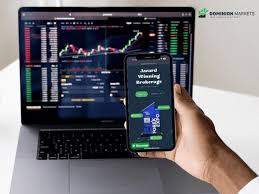
Technical analysis involves evaluating historical price data and identifying patterns to make trading decisions. Traders use various tools, such as charts and technical indicators, to analyze price movements. Popular indicators include Moving Averages, Relative Strength Index (RSI), and Fibonacci retracements.
Fundamental Analysis
Fundamental analysis assesses economic indicators, news events, and geopolitical developments that can influence currency values. Key indicators to monitor include interest rates, inflation, and employment data. Understanding the economic landscape of the currencies you are trading is crucial for making informed decisions.
Risk Management in Forex Trading
Effective risk management strategies are essential to minimize potential losses and protect your trading capital. Here are some key principles:
- Use Stop-Loss Orders: Implementing stop-loss orders ensures that your positions are automatically closed when they reach a predetermined loss level, protecting your capital.
- Position Sizing: Determine the amount of capital you are willing to risk on a single trade and adjust your position sizes accordingly.
- Diversification: Avoid risking all your capital on a single trade. Diversifying your portfolio across different currency pairs can help mitigate risk.
The Psychology of Trading
The psychological aspect of forex trading is often underestimated. Emotions such as fear and greed can significantly impact trading decisions. Developing a disciplined mindset and maintaining emotional control are critical components for successful trading. Here are some strategies to manage your psychology effectively:
- Stay Disciplined: Stick to your trading plan and avoid making impulsive decisions based on emotion.
- Practice Mindfulness: A mindful approach to trading can help you stay focused and reduce stress.
- Learn from Mistakes: Understand that losses are part of trading. Analyze your mistakes and adapt your strategies accordingly.
Conclusion
Forex trading can be a rewarding endeavor if approached with the right knowledge, tools, and mindset. By understanding the mechanics of the market, developing a solid trading plan, and employing risk management strategies, you can increase your chances of success. Remember that continuous learning and practice are vital, so take the time to enhance your skills and stay informed. With dedication and discipline, forex trading could become a fruitful part of your financial journey.
Whether you’re just starting or looking to refine your trading skills, resources such as webglobaltrading.com can provide valuable insights and tools to aid your progress in the forex market.
Recent Comments