
Origins and Early Practices
Centuries back, the practice of mail order brides was born due to cultural and societal conditions that necessitated long-distance unions.
In pioneer and frontier days, especially in America, mail order bride listings were frequently used by men seeking wives abroad or from distant lands.
Economic forces and a scarcity of women in frontier settlements spurred the rise of mail order brides, addressing the gender imbalance.
The transition from personal letters and classified ads to professionally printed catalogs marked a significant step in mail order bride history.
The Worldwide Development and Cultural Context
Globally, the practice of mail order brides has taken on distinct forms depending on cultural and historical backgrounds.
In many Asian societies, arranged bride practices parallel to mail order bride systems were used to tackle regional gender disparities.
European mail order bride systems developed under different social frameworks, frequently tied to migration and colonization.
Latin American customs around mail order brides reflect a fusion of native traditions and colonial European influences.
Current mail order bride trends are often centered around Eastern European, Filipino, and Latin American women due to ongoing socioeconomic factors.
Motivations Behind the Tradition
Monetary concerns have persistently influenced the rise and persistence of mail order bride customs.
Men settling in frontier or undersupplied regions sought spouses to help build families and communities.
For many women, becoming mail how to know if a mexican woman likes you order brides provided opportunities for better living conditions and stability.
The overlap of financial needs, cultural expectations, and gender disparities has driven the ongoing existence of mail order brides.
The stabilizing effect on frontier areas through marriage arrangements via mail order brides is well documented.
Advancements in Communication
Traditional letter-writing was the foremost communication channel between brides and suitors before modern innovations.
The emergence of newspaper classifieds helped systematize the bride search, making it easier for men to browse options.
With the introduction of the telegraph and telephone, communication became faster, though letters remained dominant for detailed exchanges.
Digital communication has introduced new levels of convenience and accessibility to the mail order bride system.
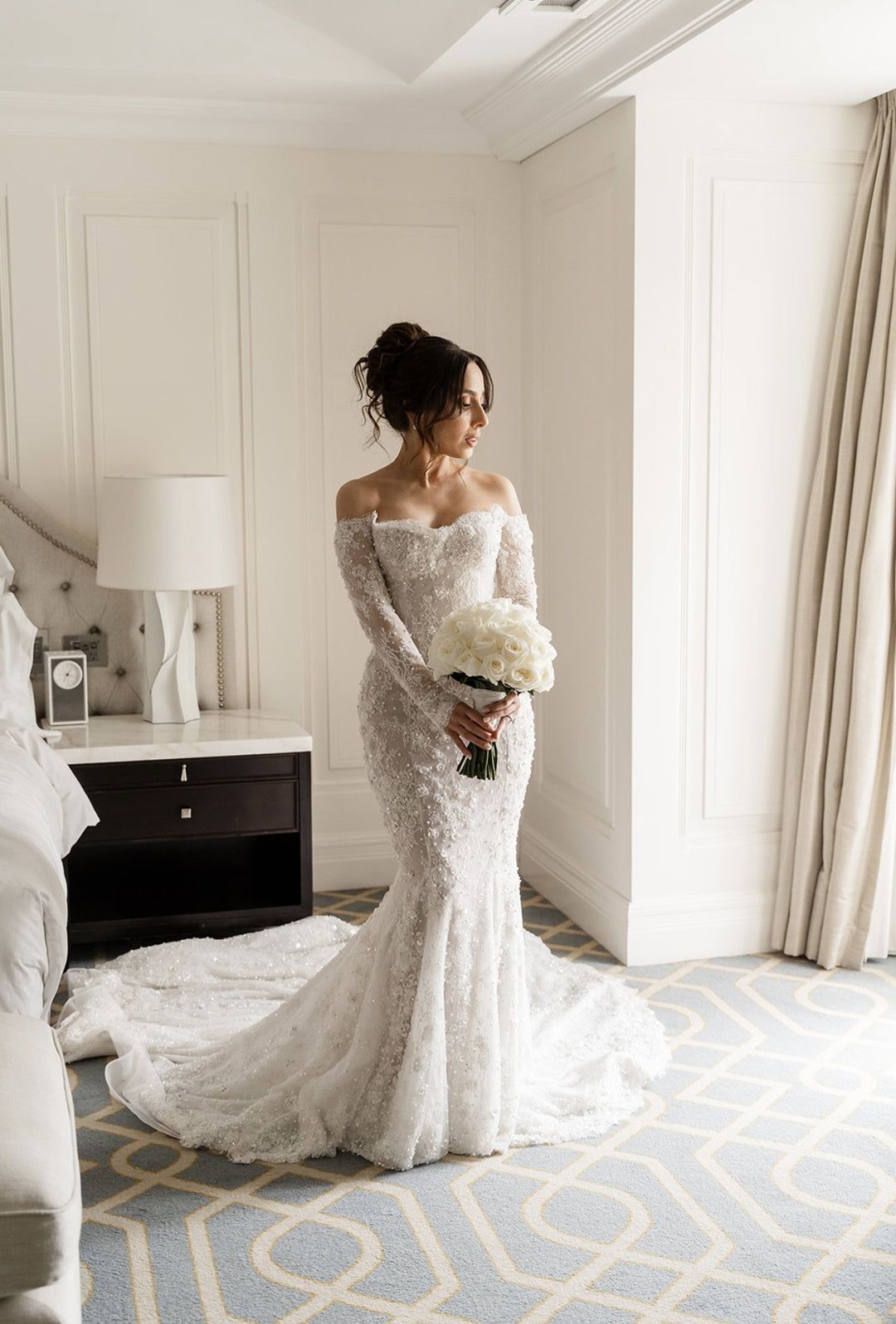
Contemporary mail order bride transactions benefit from instant connectivity while facing concerns over legitimacy and risk.
Ethics and Law in Mail Order Bride Practice
Regulatory approaches to mail order bride activities vary by jurisdiction, often mirroring social norms and legal priorities.
Some countries have enacted strict rules requiring background checks, marriage contracts, and residency requirements to protect parties involved.
Many discussions about mail order brides raise concerns over human dignity, gender justice, and the risk of commercialization.
Some argue that when conducted transparently, mail order bride relationships promote independence and mutual respect.
Ongoing legal reforms aim to balance protection, individual freedom, and social welfare in mail order bride contexts.
Recent Comments